Interview with Ivana Meašić for XEnergy
Challenges in Developing Geothermal Power Plant Projects
Date publishedNovember 11, 2025
Zagreb, 11 November 2025 – XEnergy, a network promoting women in the energy transition, published an interview with Ivana Meašić, Director of Enna Geo, on its website.
Meašić presented ENNA Group’s geothermal power plant projects in Zagocha and Babina Greda, explained the technical and bureaucratic challenges in their development, and discussed the prospects of geothermal energy in Croatia.
Excerpt from the interview:
Through Enna Geo, which you lead, ENNA Group is currently developing two geothermal power plant (GTP) projects: Zagocha near Slatina and Babina Greda. What have been the main bureaucratic and regulatory challenges so far, and which changes in legislation could most accelerate the realization of such projects?
“First of all, our Zagocha geothermal power plant project near Slatina is the most advanced geothermal plant development project in Croatia, so we have extensive experience not only with drilling through rock but also with navigating local bureaucracy. The geothermal sector is specific because it is regulated by multiple laws: the Act on Hydrocarbon Exploration and Exploitation, the Electricity Market Act, and the Renewable Energy and High-Efficiency Cogeneration Act. This means there are multiple regulations requiring alignment between several public authorities, which makes processes longer.
Unlike other renewable technologies, obtaining an energy permit is not the first step for geothermal projects. To start a geothermal project, you must apply for an exploration license, and the process from obtaining this permit to drilling an exploratory well can take more than 18 months. Investors must propose a work program, which during the five-year exploration phase typically involves geological de-risking through various geophysical measurements to study underground structures, followed by the construction of one or more exploratory wells.
The process is characterised primarily by numerous administrative procedures, which, despite a solid legal framework, often take too long. From obtaining the Environmental Impact Assessment decision, through location permits and permits for seismic measurements, to the conceptual design and drilling projects, this period often exceeds two years. The main obstacles are currently lengthy environmental approval procedures, spatial planning, and resolving property rights. Ironically, the longest procedures for developing renewable energy projects are related to environmental protection, while renewables themselves are developed precisely to protect the environment.”
The full interview is available o xenergy.hr
News
#RenewMore news >
Tomislav Bunjevac at the Solar Flex Energy Conference
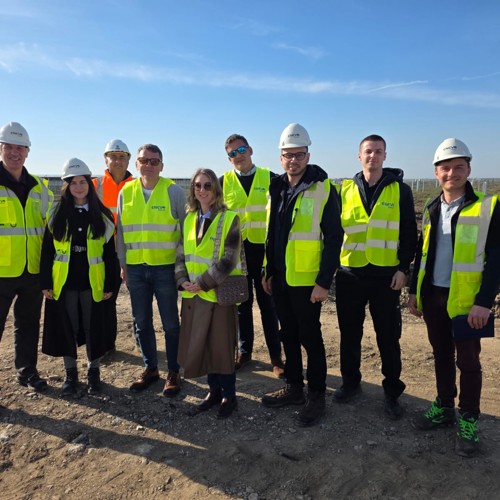
Construction of ENNA Group’s large solar power plant in Romania is in full swing!
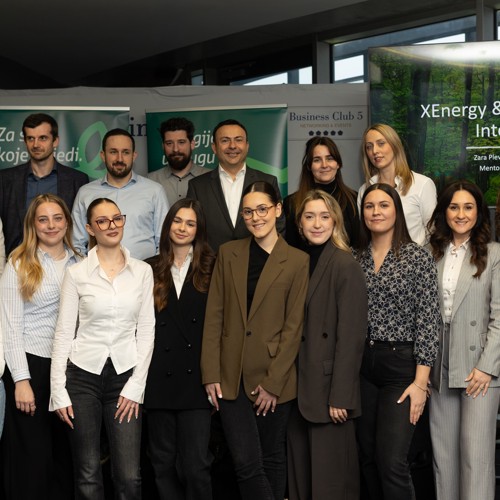
ENNA Next and XEnergy Successfully Conclude Internship Program
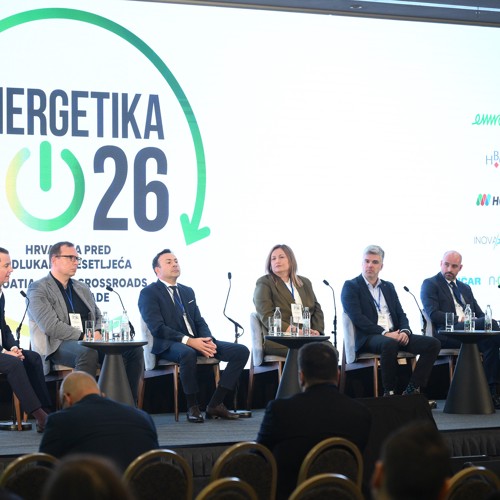
Nenad Ukropina Joins Industry Leaders at Energetika 2026 Energy Conference