Zvonimir Novak on ENNA Group’s Energy and Logistics Projects
Energreen Conference on Energy Stability in Europe and Croatia
Date publishedApril 23, 2026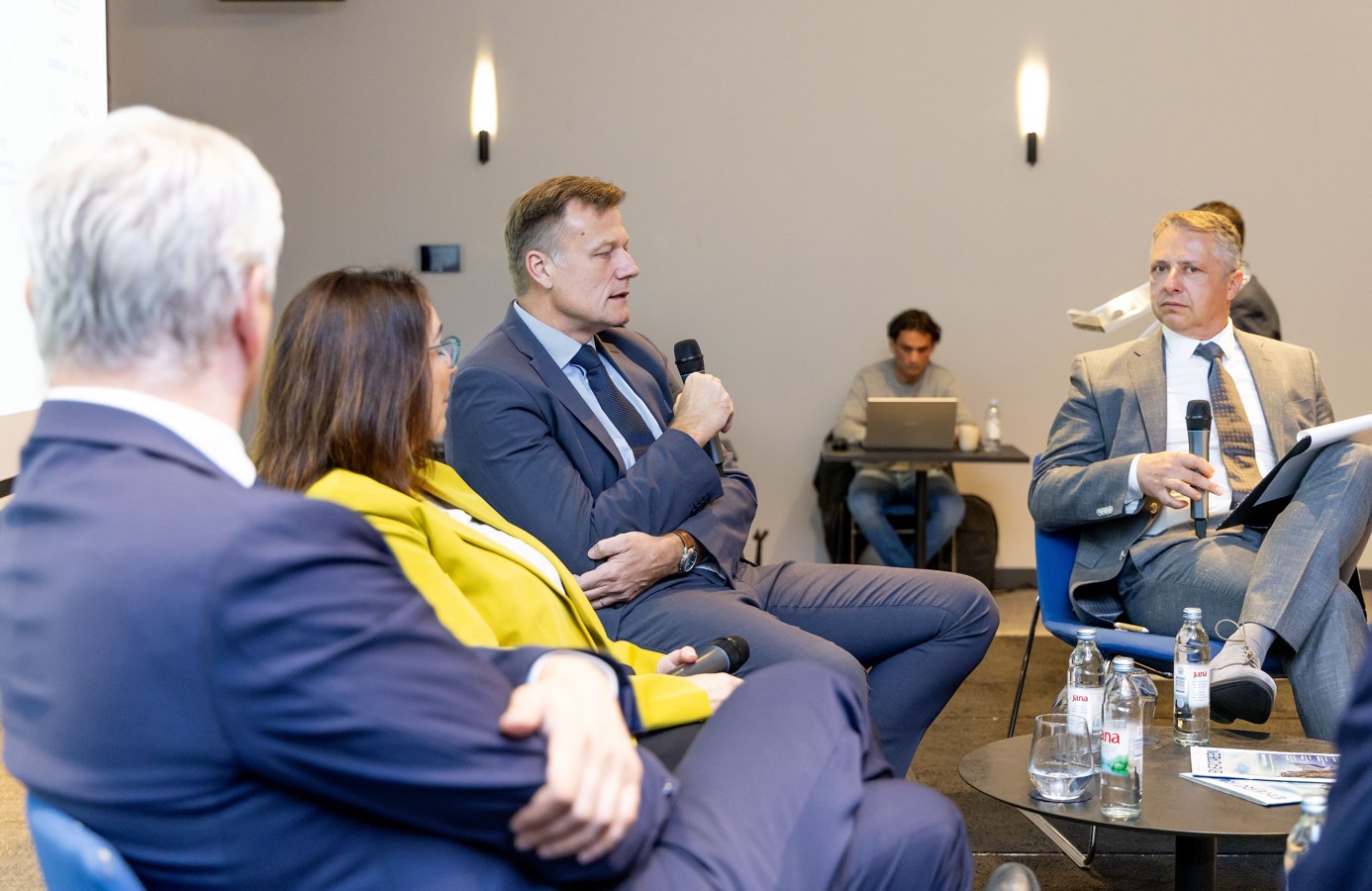
Zagreb, 23 April 2026 – Where has the European Union gone wrong, does it still have the capacity to remain competitive with the United States and China, what are Croatia’s key strengths, and can they be leveraged to drive economic growth? These were among the questions discussed at the “ENERGREEN – From Waste to Energy” conference, held in Zagreb on Tuesday and Wednesday, 21–22 April. The conference was organised by the media company Motus Media and the portal Energreen.hr.
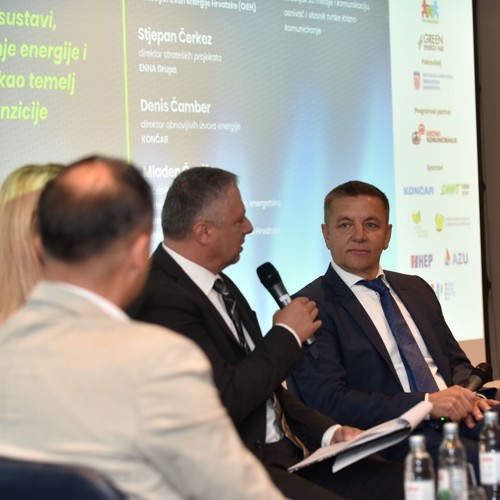
Zvonimir Novak, Director of Business Development at ENNA Group, participated on the second day of the conference, dedicated to energy, in a panel titled “Energy Security in an Unstable World: How is Croatia Protecting its System?” Fellow panellists included energy expert Davor Štern, Dalibor Pudić, Director of Gradska plinara Zagreb and President of the Croatian Gas Association, and Nina Domazet, Senior Advisor within the Energy and Sustainable Development Sector of the Croatian Chamber of Economy.
In his opening remarks, Novak noted that “a number of misguided decisions” had been made not only in Croatia but across the European Union, citing the shutdown of nuclear power plants in Germany followed by the reactivation of coal-fired plants.
“When a country has secured food production and energy supply, it has a solid foundation. When you add a favourable geostrategic position, these are three key assets that Croatia possesses and should fully utilise. Some poor decisions in Europe, including in Croatia, are holding us back, but I believe things will realign. Europe still has strong potential in the green transition,” Novak said.
He highlighted that ENNA Group sees significant potential in geothermal energy, a renewable yet stable energy source available “beneath our feet” that does not require imports. He referenced two geothermal power plant projects currently under development by ENNA: Zagocha and Babina Greda.
“Geothermal power plants also serve as a major stabiliser of the energy grid. Their output is even more stable than that of hydropower plants, and their advantage lies in the ability to easily scale production up or down, thereby helping to balance the system,” Novak added.
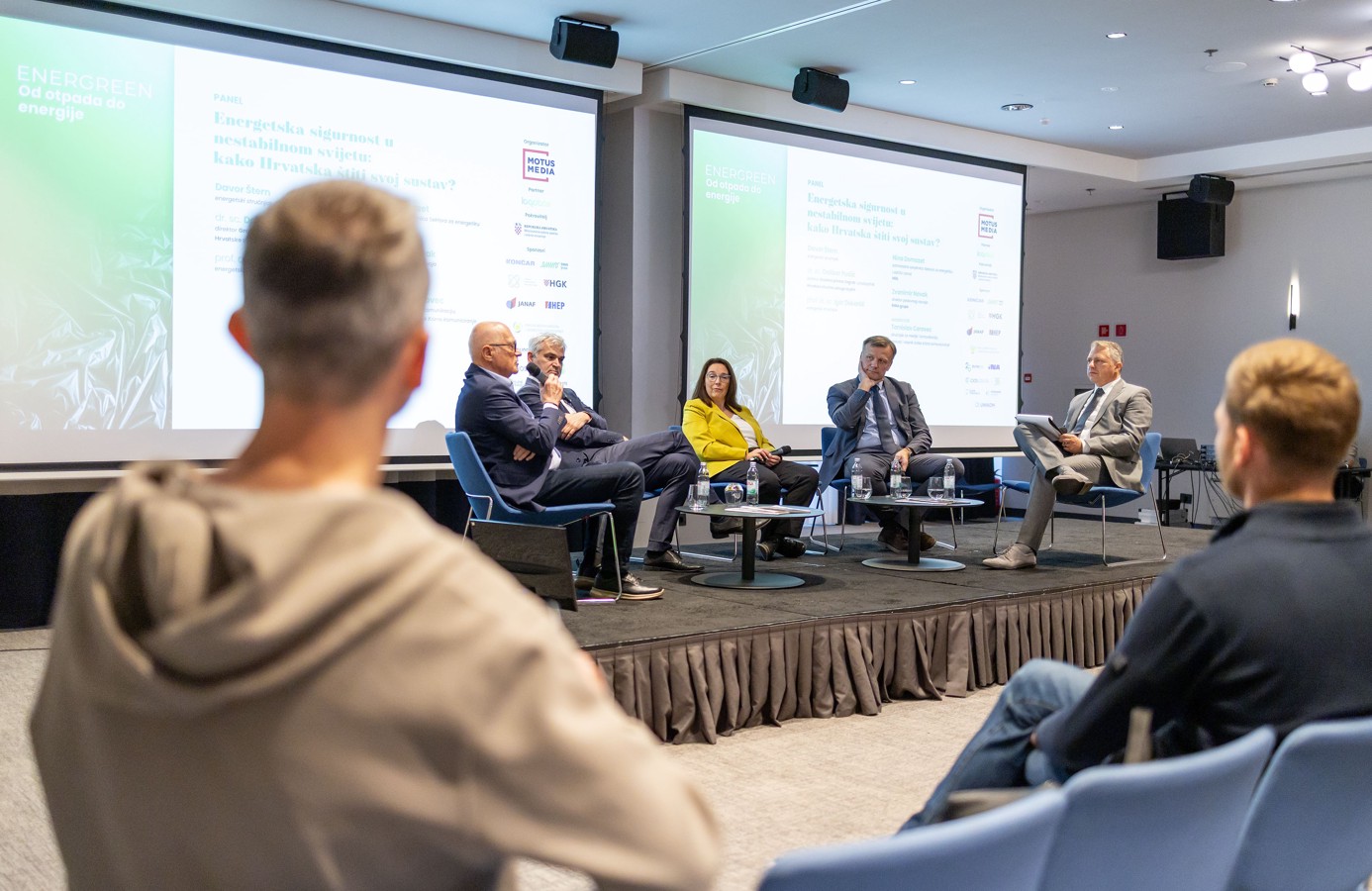
In the context of leveraging Croatia’s geostrategic position, Zvonimir Novak particularly highlighted the Rijeka Gateway container terminal project, as well as the potential to establish a logistics corridor connecting Rijeka with Central and Eastern European markets via Croatia.
“The Rijeka Gateway container terminal commenced operations in September last year. We are proud of the RGW team, which is delivering excellent results. In its first phase, the terminal is expected to handle up to 700,000 TEU (twenty-foot equivalent units), and over one million TEU in its second phase. Rijeka is uniquely positioned – it is the closest port to the Central European basin and benefits from sufficient draft depth. The main constraint is that the terminal is located in the heart of the city, which makes container turnover critical. Containers should not remain at the terminal for more than five days, which brings us to the importance of rail infrastructure and the need to construct a lowland railway line between Rijeka and Zagreb,” Novak said.
He also expressed his appreciation to the Croatian Chamber of Economy, which commissioned a study conducted by the Faculty of Economics in Osijek and the Faculty of Maritime Studies Rijeka on the development of the Port of Rijeka. The study clearly indicates that cargo volumes and economic activity at the port will increase; however, this growth would have a significantly greater impact on the overall Croatian economy if the lowland railway were in place.
During the panel, all participants agreed that the global landscape has changed significantly, with China emerging as an increasingly dominant economic and political power. However, Europe still retains considerable potential, provided that decisions are taken more swiftly to maintain the competitiveness of both the European and Croatian economies.
For more information about the conference, visit dnevno.hr.
Photo by: Motus media
News
#GroupMore news >
Ana Lazo to Head the HGK Geothermal Energy Group
Artificial Intelligence and Business Transformation
ENNA Group secures €10 million to expand the ENNA Charge charging network
Stjepan Čerkez Joins Panel Discussion at the Energreen Energy Conference