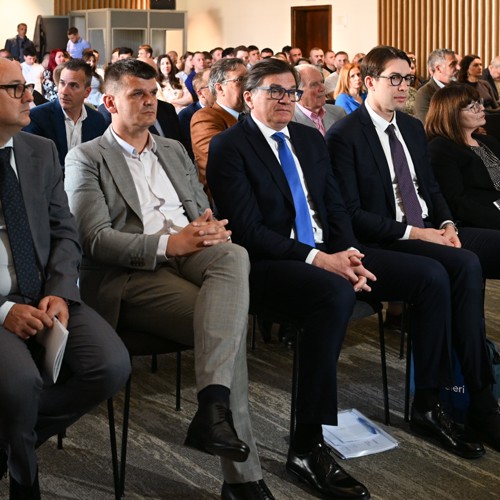
Petar Glavaš at the Interoperability Conference
Development of Rail Transport
Date publishedJune 8, 2026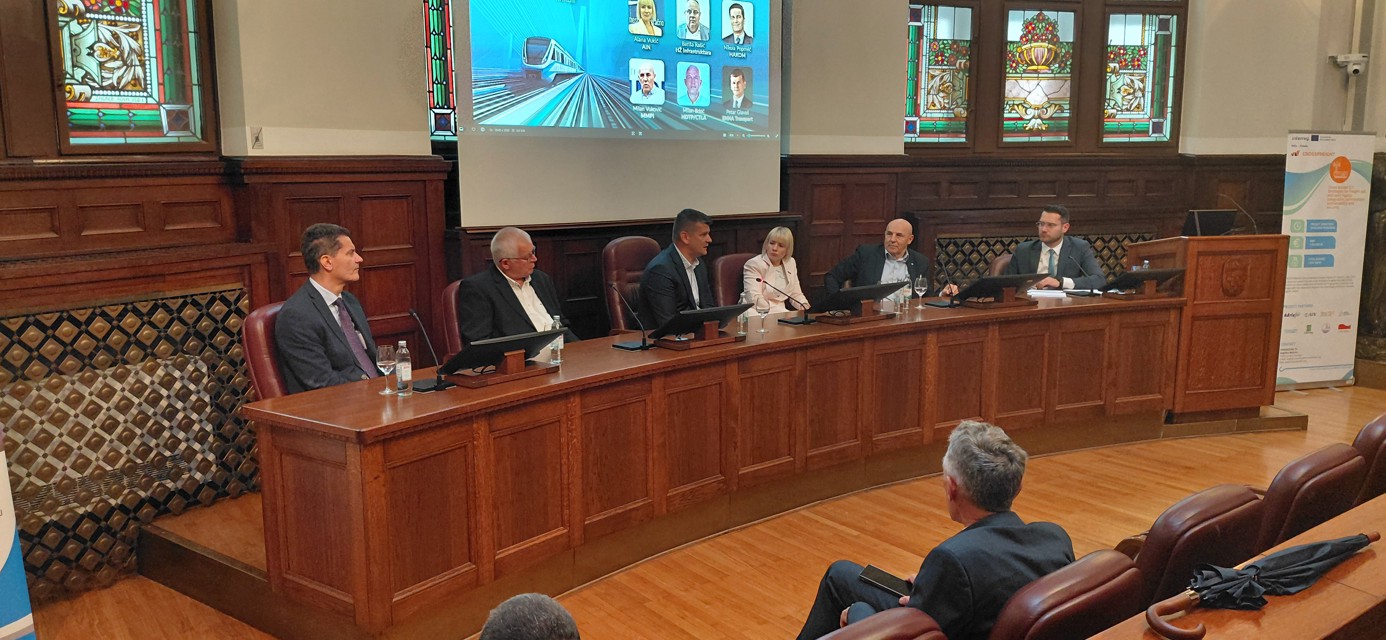
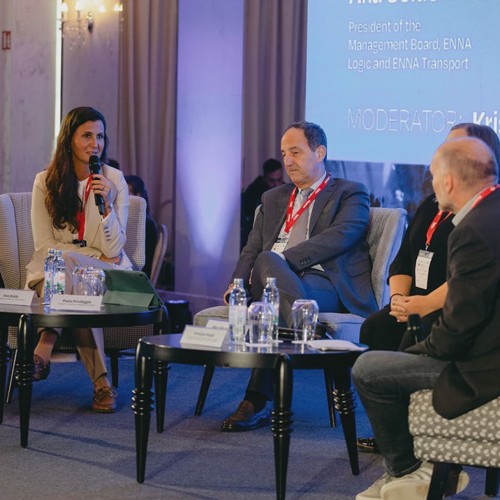
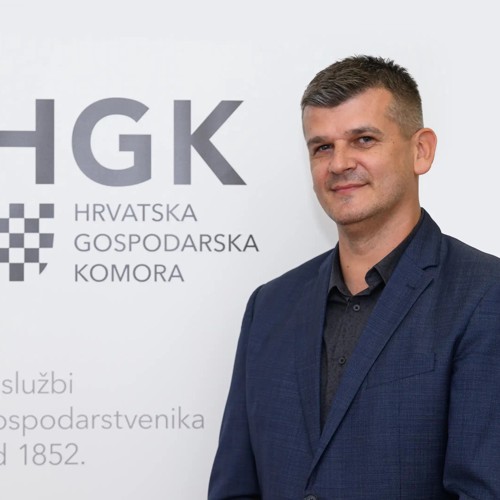
Zagreb, 8 June 2026 – Petar Glavaš, Member of the Management Board of ENNA Transport and ENNA Logic, took part in the conference “The Impact of Interoperability on the Development of the Railway Market” held in Zagreb. The conference was organised at the Croatian Chamber of Economy by the Air, Maritime and Railway Traffic Accidents Investigation Agency (AIN), the Croatian Chamber of Economy, HAKOM, and the Croatian Society for Transport Law.
Interoperability refers to the ability of railway systems in different countries to enable the safe and uninterrupted operation of trains while maintaining a high level of efficiency. This involves the harmonisation of technical, legal and operational standards to allow trains to cross national borders without disruption.
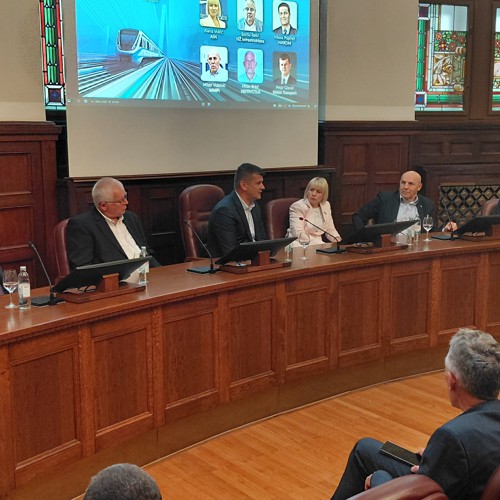
The opening session of the conference featured presentations on the state of the railway services market in Croatia and the European Union, the impact of investments on the railway market, and the interoperability of the Single European Railway Area. Participants were also introduced to the interoperability project of the ERTMS subsystem (European Rail Traffic Management System) on the Belgrade–Budapest railway line, followed by a panel discussion on the impact of interoperability on the development of the railway services market.
Petar Glavaš highlighted that ENNA Transport was among the first railway operators to begin implementing interoperability.
“The greatest advantage is that there is no need for additional locomotive uncoupling, waiting for replacement locomotives, or extra documentation related to brake testing, train technical inspections and all the delays associated with the technical exchange of two locomotives at the border. We fully support interoperability and have been implementing it for many years,” said Glavaš.
He particularly emphasised that the technical provisions concerning locomotives and wagons are clearly defined, while interoperability requirements for operational staff need to be regulated more clearly, regardless of whether EU Member States or third countries are involved. He also pointed to the challenges of implementing interoperability with non-EU countries and stressed the need for cooperation among all institutions involved in cross-border train operations in order to avoid delays. As announced during the panel discussion, some of these challenges are expected to be addressed through special cross-border transport agreements currently being prepared between the Republic of Croatia and Serbia, as well as Bosnia and Herzegovina.
Other participants in the panel discussion included Milan Vuković of the Ministry of the Sea, Transport and Infrastructure, Nikola Popović, Member of the HAKOM Council, Alana Vukić, Director of the Accident Investigation Agency, and Milan Brkić, Member of the Management Board of the Croatian Society for Transport Law.