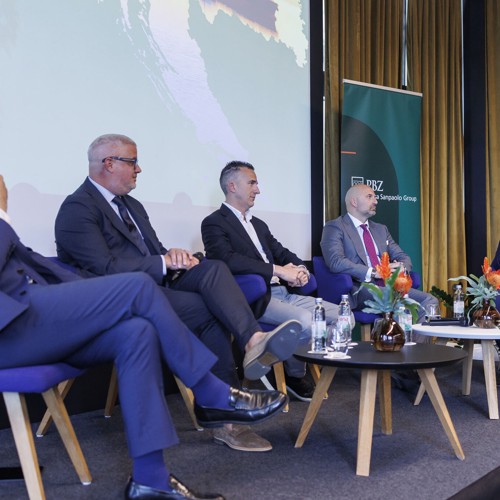
Stjepan Čerkez Joins Panel Discussion at the Energreen Energy Conference
Battery Energy Storage Systems and the Grid of the Future.
Date publishedSeptember 18, 2026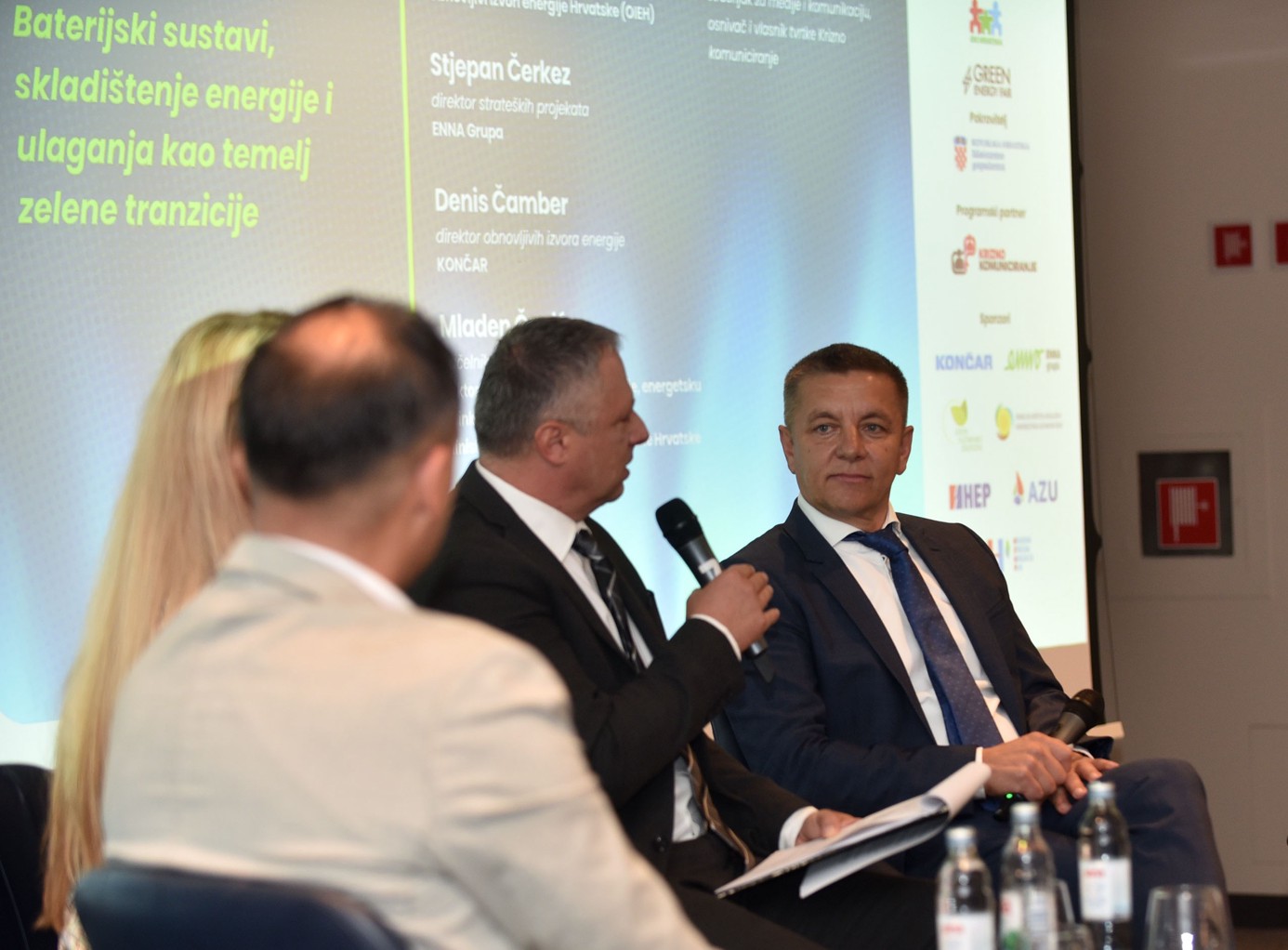
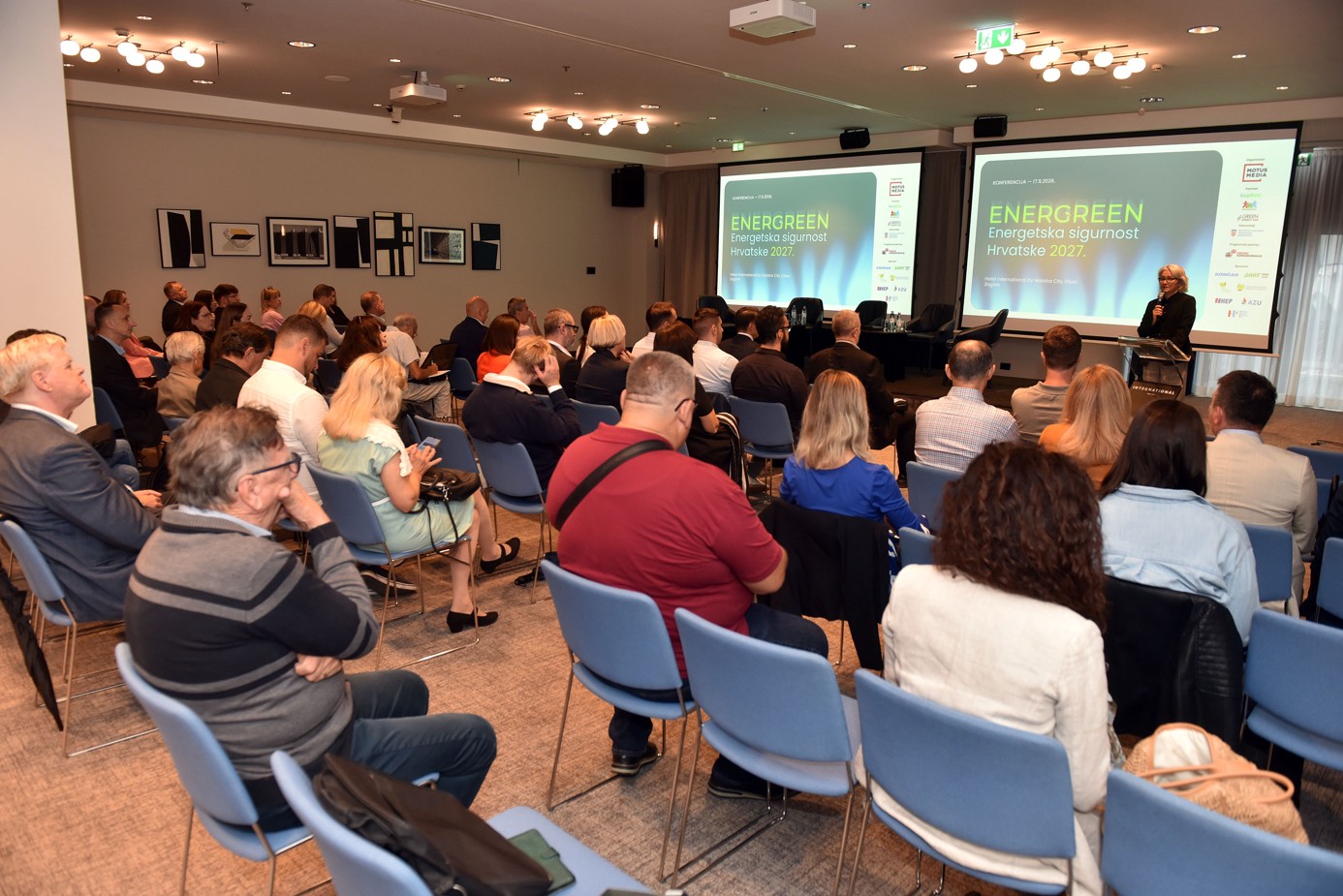
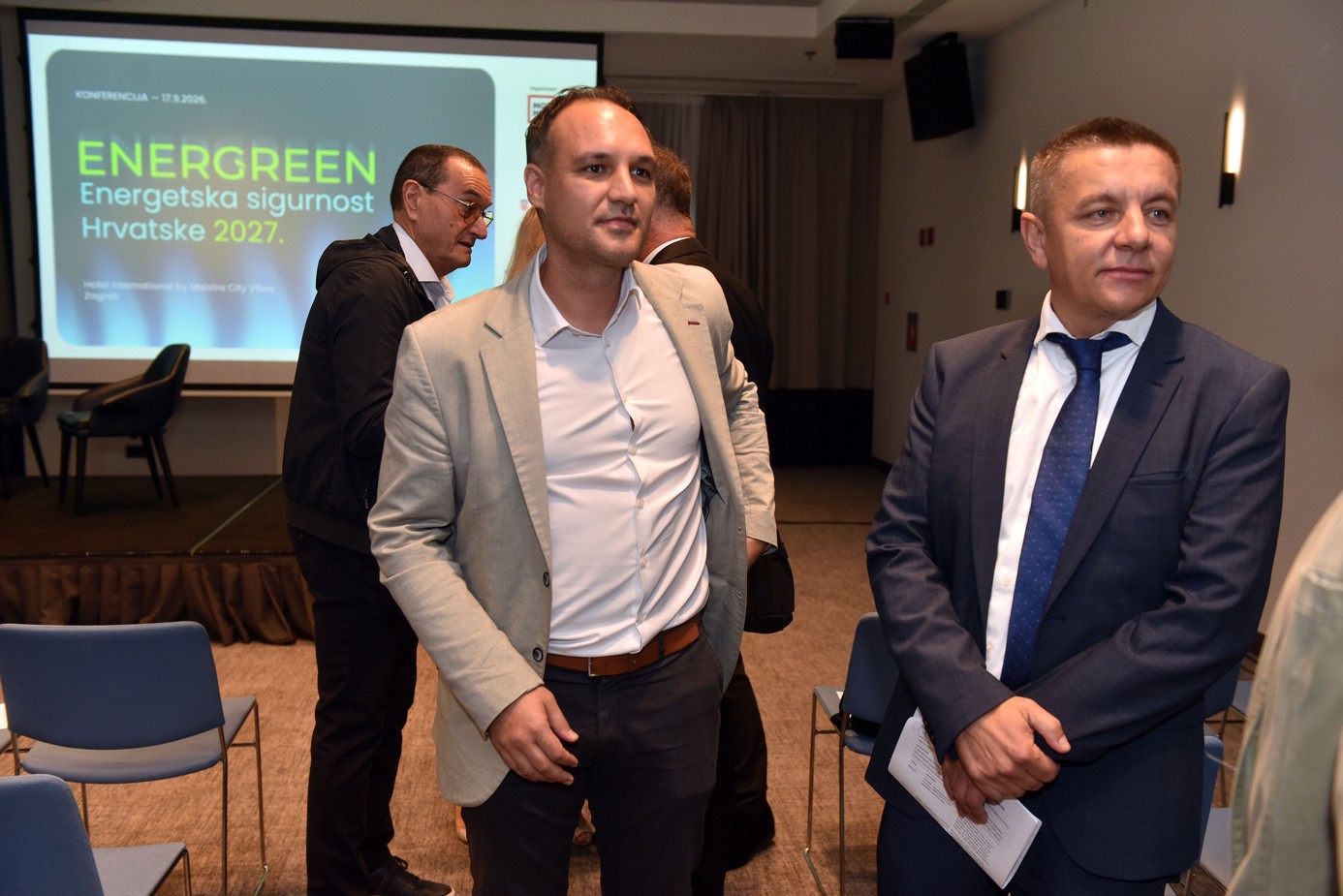
Zagreb, 18 September 2026 – Stjepan Čerkez, Director of Strategic Projects at ENNA Group, participated in the Energreen Energy Conference, held in Zagreb on 17 September 2026 and organised by Motus Media Group. Čerkez took part in a panel discussion titled Battery Energy Storage Systems and the Grid of the Future, alongside Maja Pokrovac, Director of the Croatian Renewable Energy Association (OIEH), Denis Čamber, Director of Renewable Energy Sources at Končar, and Mladen Čavić, Head of the Renewable Energy Sources, Energy Efficiency and New Technologies Sector at the Ministry of Economy.
In his opening remarks, Čerkez spoke about ENNA’s renewable energy projects and the potential of battery energy storage systems (BESS). He noted that ENNA now plans all new solar projects together with BESS installations and is also developing standalone battery storage projects in Croatia.
“At ENNA, we view BESS both from the perspective of an investor and through our company ENNA Next, which provides a range of sophisticated solutions for energy management, trading and ancillary services. For all solar power plants currently in operation, we are amending permits and integrating battery storage systems. In addition, we are planning four standalone battery storage projects in Croatia, each with a capacity of around 10 MW,” said Čerkez.
He also presented the Giurgiu solar power plant project, which ENNA is developing in Romania. The project will have an installed capacity of 87.5 MWp and will include a battery energy storage system with a power output of 70 MW and a storage capacity of 140 MWh. Čerkez explained that Romania’s regulatory framework had enabled a faster project development process.
He added that ENNA is interested in cooperating with developers of renewable energy projects that are either in an advanced stage of development or fully ready for construction, both in Croatia and across the wider region and international markets.
During the panel discussion, participants debated whether there is sufficient market demand for the generation capacity that would result from the realisation of all announced renewable energy projects.
As Mladen Čavić from the Ministry of Economy pointed out, HOPS (Croatian Transmission System Operator) should provide investors with guidance on where battery storage systems could support the power system. Čerkez agreed that battery storage systems should not be built where they are not needed, but also pointed out that Croatia is part of the European energy market and that electricity generated in Croatia can be sold in other European countries. He added that it is preferable for the added value to be created in Croatia.
Maja Pokrovac stressed that there is no doubt that Croatia needs its own generation capacity, noting that around 50% of energy and approximately 30% of electricity are imported annually. At the same time, she pointed out that it took three and a half years to define the grid connection fee, adding that Croatia is unique in Europe in this respect. She also highlighted operational constraints, noting that producers currently have no certainty as to how much electricity they will be able to deliver to the grid, which makes communication with HOPS essential.
Denis Čamber from Končar said that grid infrastructure is the “backbone” of the power system, with everything else serving as an upgrade, making investment in infrastructure essential. In this context, he pointed to growing demand for electricity driven by data centres and the development of artificial intelligence.
Čerkez also highlighted expectations of growing electricity demand in the future and said that ENNA is investing in a range of projects contributing to the green transition, including the development of the ENNA Charge electric vehicle charging network.
He also highlighted the geothermal power plant projects being developed by ENNA Geo, noting that geothermal power plants, as a renewable energy source capable of continuous generation regardless of weather conditions or time of day, can contribute to balancing the power system.
Photo: Davor Kovačević
News
#GroupMore news >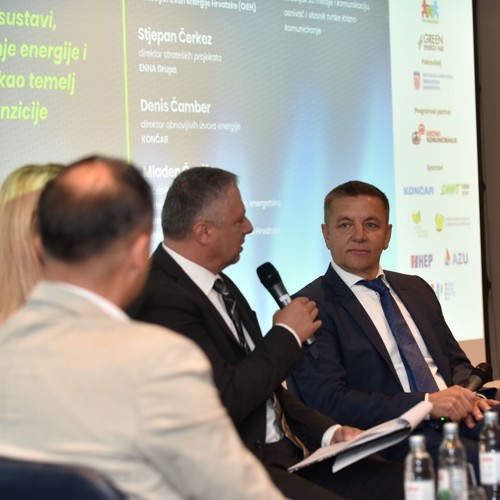
Stjepan Čerkez Joins Panel Discussion at the Energreen Energy Conference

Mihailesti project - announcement on finalization of ESDD process
Stjepan Čerkez Joins ENNA Group as Director of Strategic Projects
ENNA Group and Span Evolve Showcase Their ERP System Collaboration