Artificial Intelligence and Business Transformation
Artificial Intelligence and Business Transformation
Date publishedOctober 16, 2026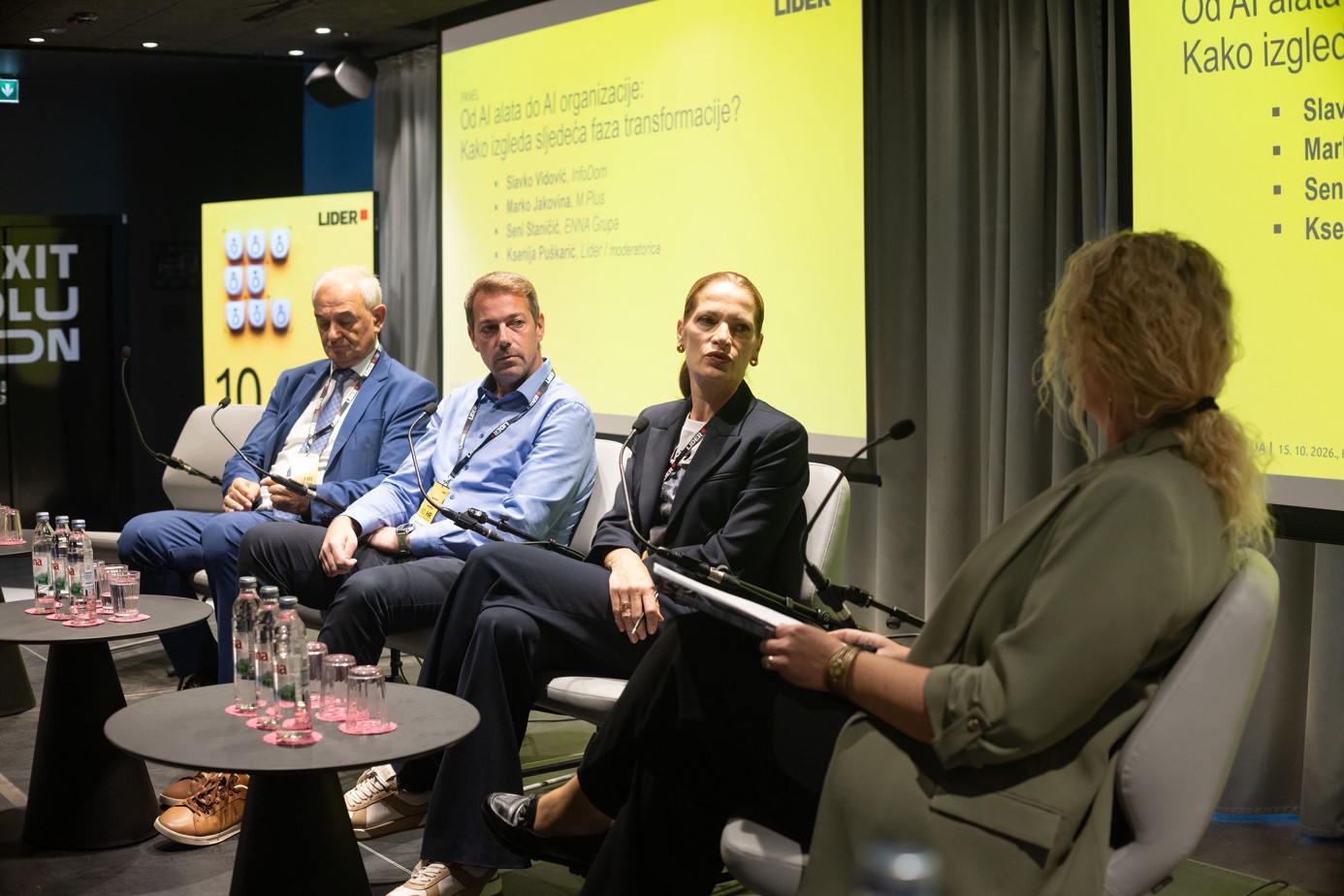
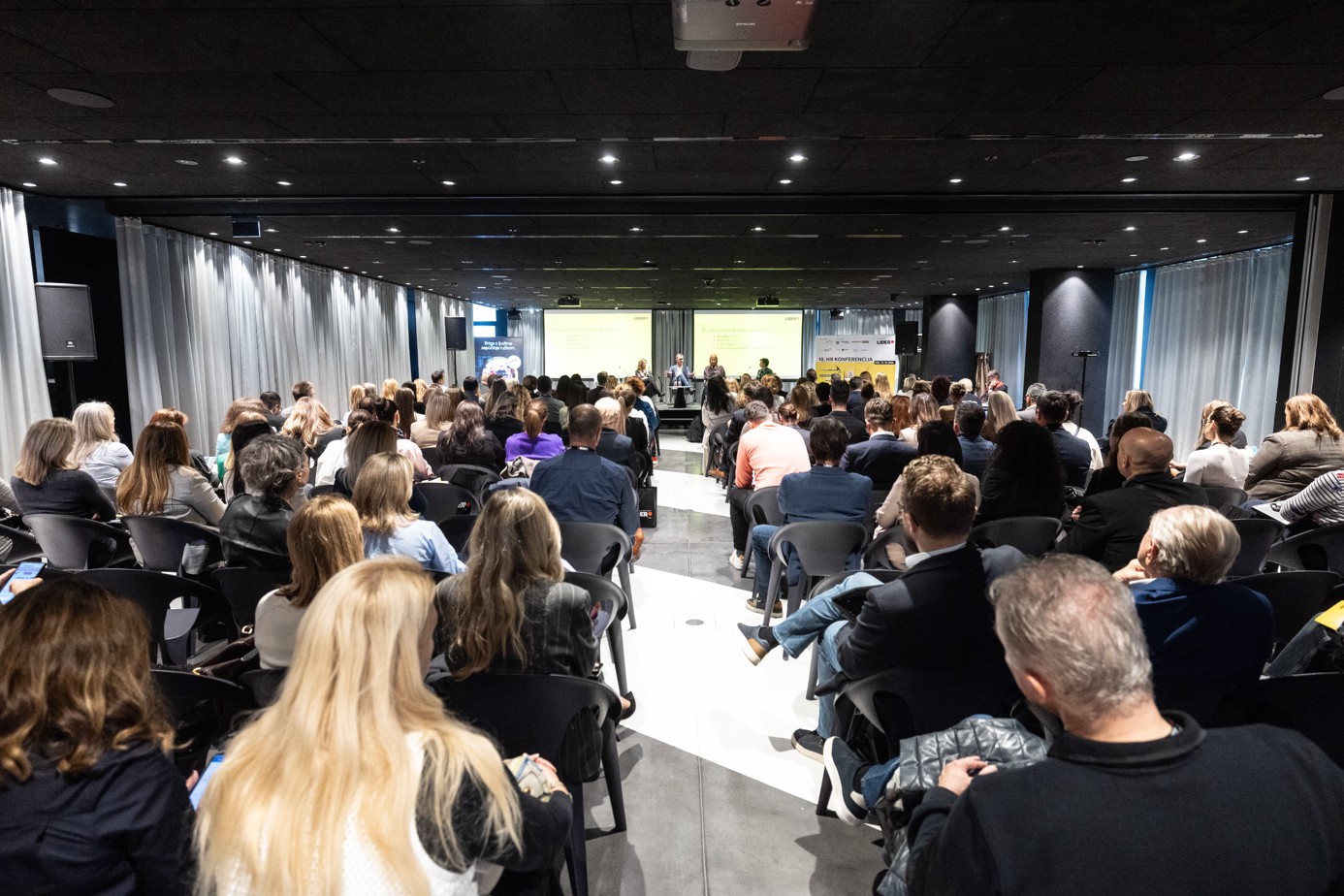
Zagreb, 16 October 2026 – Seni Staničić, Director of Human Resources at ENNA Group, participated in the 10th HR Conference organised by Lider business weekly, held in Zagreb on Thursday, 15 October.
The conference brought together leading human resources professionals, management board members, directors and business leaders. Discussions focused on how to connect people, technology and business strategy amid rapid market and regulatory changes. Key topics included the application of artificial intelligence, the implementation of the EU Pay Transparency Directive, employee development and the broader role of HR in business transformation.
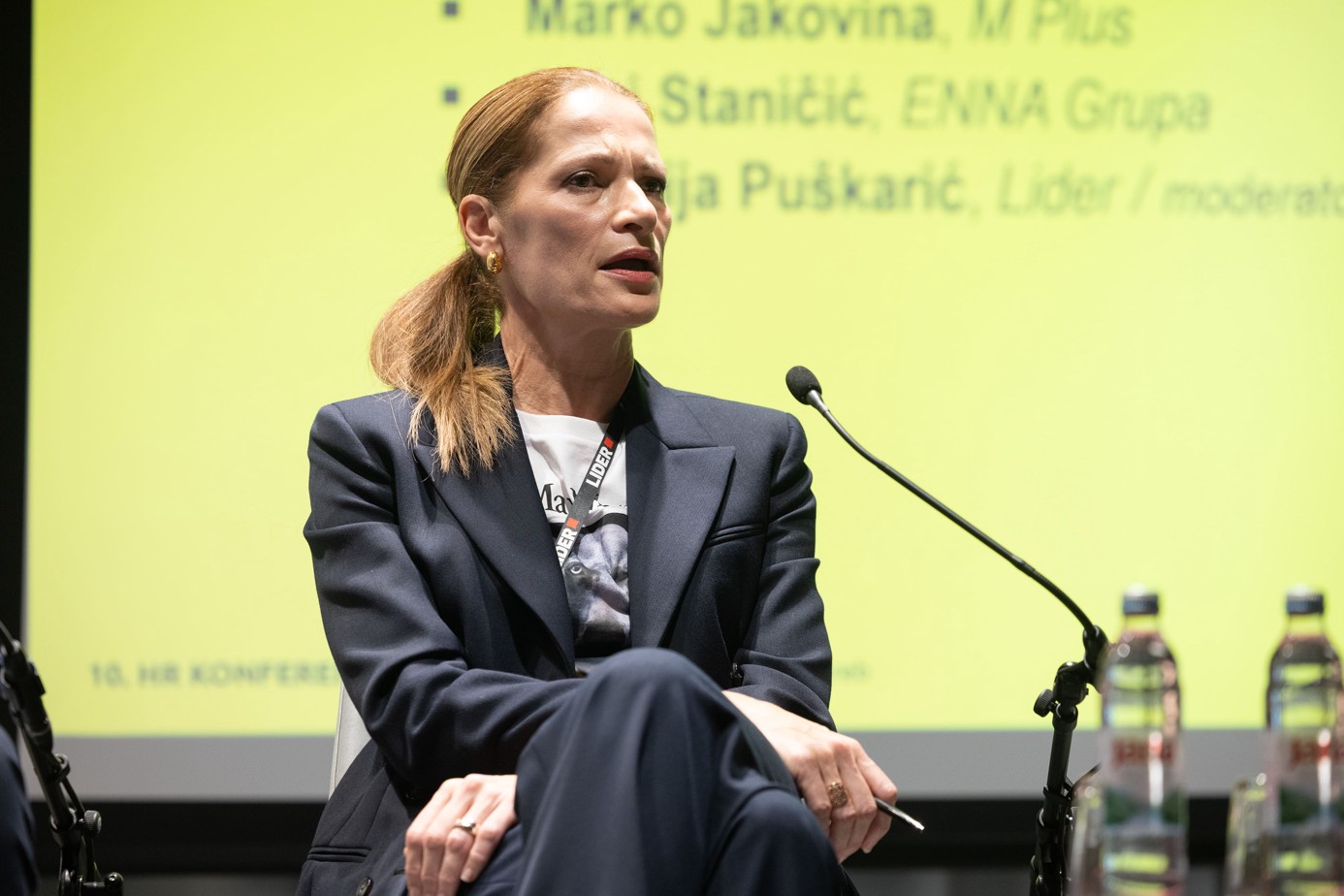
Seni Staničić took part in a panel discussion on the impact of artificial intelligence on companies and the labour market. The other panellists were Slavko Vidović, Director of InfoDom, and Marko Jakovina, HR Project Manager at Mplus.
- AI has become part of everyday operations in organisations, taking over many routine tasks. The key question now is what will happen to junior positions if AI takes over these tasks, and how we can equip mid-level and senior employees to become mentors and critically assess the results generated by AI. Our focus is on further empowering employees so that, in the future, they will be not only experts in their fields but also mentors and coaches to new generations of employees - said Staničić.
Shorten the conference overviewTighten the AI quoteStrengthen ENNA’s relevance
Speaking about the changes artificial intelligence is bringing to the world of work, she emphasised that organisations will need to adapt existing roles and develop new competencies to operate successfully in a rapidly changing environment.
- Upskilling and reskilling are becoming increasingly important. Most companies are now creating roles that support transformation and the adoption of artificial intelligence, as well as positions related to cybersecurity. At this stage, HR’s role is to identify which skills are becoming obsolete, which need to be developed, and how to prepare management to communicate the changes brought about by digitalisation and automation effectively to employees - said Staničić.
She concluded by highlighting that, alongside professional expertise, soft skills will be essential, particularly communication, critical thinking, and the ability to develop others through coaching and mentoring.
Implementation of the EU Directive
The conference also addressed the transposition of the EU Pay Transparency Directive into national legislation, which will bring a range of new administrative obligations for employers and HR departments. Josipa Klišanin, Head of the Labour Sector at the Ministry of Labour, Pension System, Family and Social Policy, announced that the draft legislation still needs to undergo public consultation and two readings in Parliament, with the law expected to take effect in early 2027.
As outlined at the conference, the aim of the new rules is to reduce the gender pay gap and ensure that pay is determined according to objective, gender-neutral criteria. The changes will already be felt during recruitment, as employers will be required to provide candidates with information about the initial salary or salary range in advance. Employees will also have the right to request information on the average pay of colleagues performing the same work or work of equal value, with the data broken down by gender. The Directive also introduces regular pay gap reporting requirements for employers with 100 or more employees.
During a panel discussion on the Directive, Irena Weber, Director General of the Croatian Employers’ Association, described the new requirements as another administrative burden for employers. Rather than focusing on strengthening competencies, investing in R&D or optimising business operations, she argued, employers will have to establish objective criteria that will ultimately remain subjective to some extent, as it is impossible to prescribe rules for every situation that may arise in business.
Read more about the conference on Lider.hr.
News
#GroupMore news >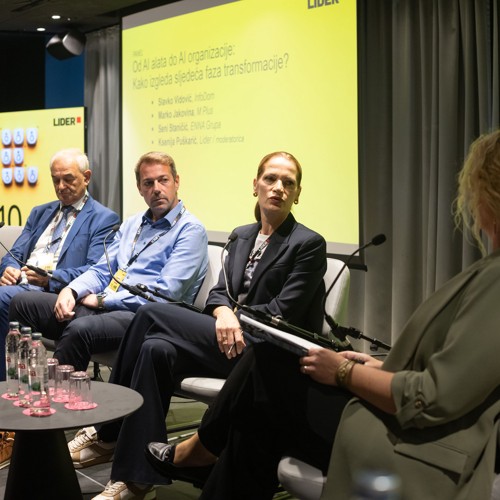
Artificial Intelligence and Business Transformation
ENNA Group secures €10 million to expand the ENNA Charge charging network
Stjepan Čerkez Joins Panel Discussion at the Energreen Energy Conference

Mihailesti project - announcement on finalization of ESDD process