Stjepan Čerkez on the Energy and Affordable Housing Panel
Investments in Energy Projects
Date publishedNovember 6, 2026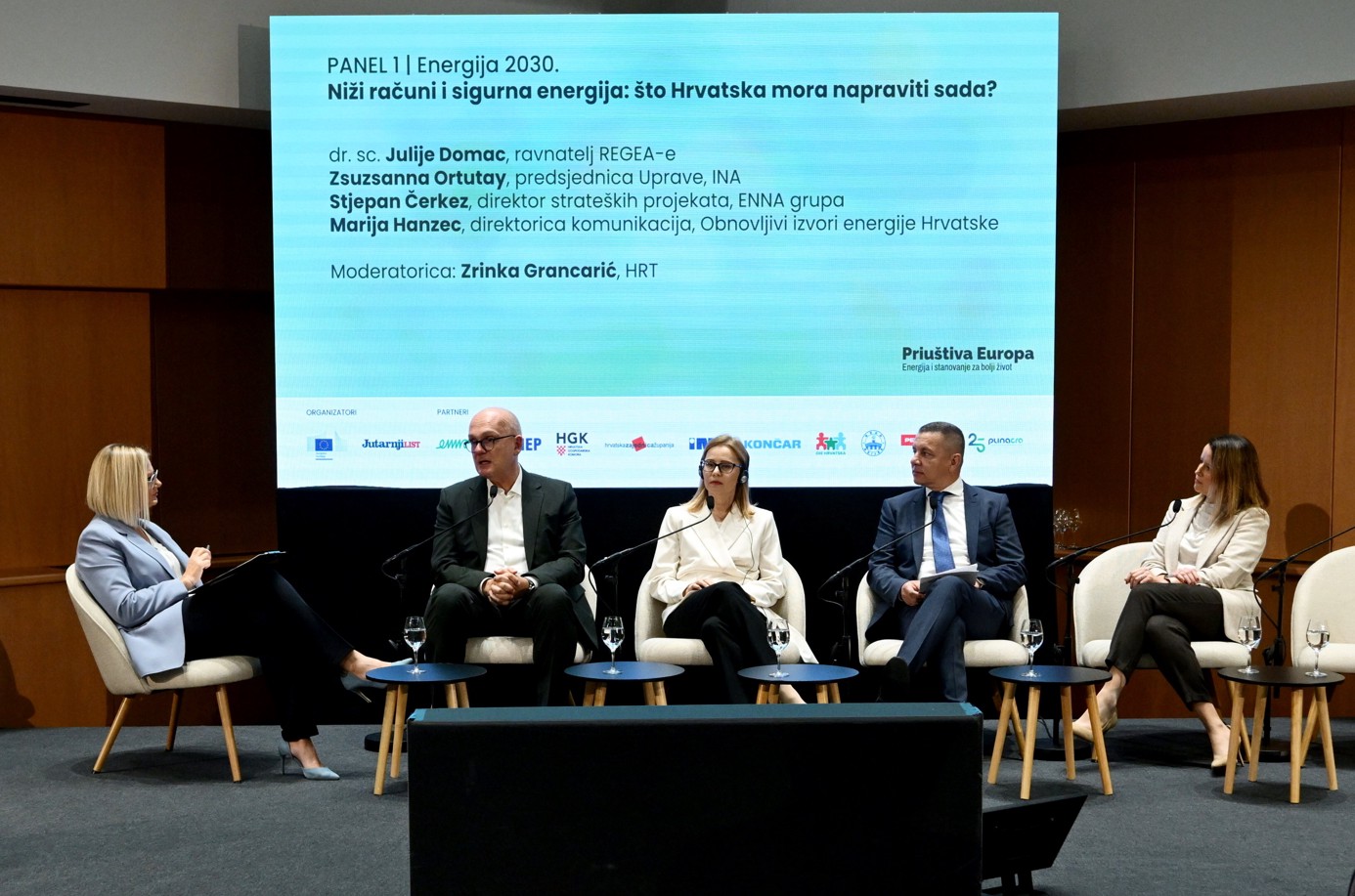
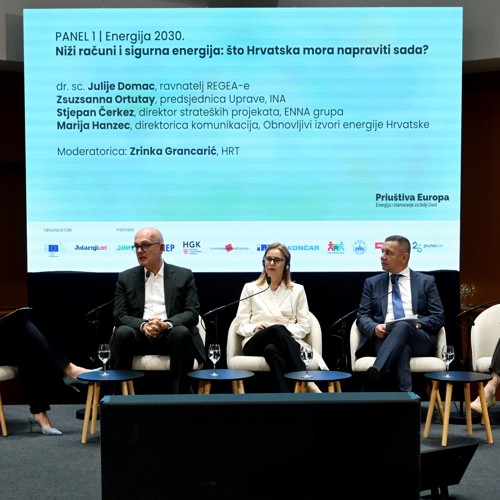
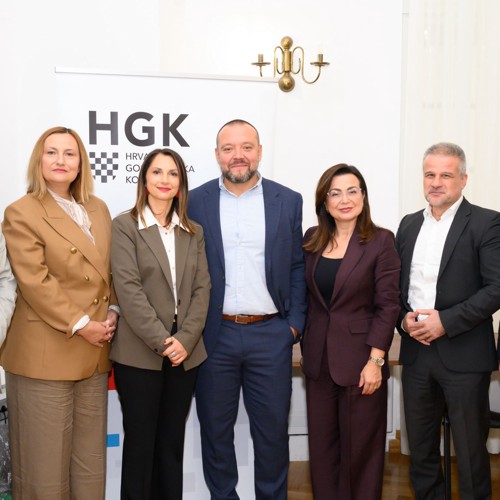
Zagreb, 6 November 2026 – Stjepan Čerkez, Director of Strategic Projects at ENNA Group, took part in the “Affordable Europe – Energy and Housing for a Better Life” conference organised in Zagreb by Jutarnji list and the European Commission Representation in Croatia.
Čerkez participated in a panel discussion on energy, alongside Zsuzsanna Ortutay, President of the Management Board of INA; Julije Domac, Director of the North-West Croatia Regional Energy Agency (REGEA); and Marija Hanzec, Communications Director at the Renewable Energy Sources of Croatia association (RES Croatia).
Stjepan Čerkez emphasised the need for a more flexible regulatory framework to enable faster and greater investment in generation capacity, particularly in projects that can be connected to the grid. At the same time, he stressed the need for a strong investment cycle in the electricity grid itself.
“Financing projects is generally very straightforward. If you have a project built on sound fundamentals, finding a bank or another financial institution willing to finance it is not a problem. The reason why this is not happening on a larger scale lies in the congested electricity grid and the legislative framework, which are causing projects to develop very slowly. As a result, ENNA Group is developing a significant share of its investments in other countries, with Romania currently being its primary investment destination,” Čerkez warned.
He explained that Romania had secured substantial funding through the EU Modernisation Fund and the Recovery and Resilience Facility to organise Contracts for Difference (CfD) auctions for renewable energy. These auctions awarded contracts for approximately 3 GW of capacity, stimulating significant investment in a range of energy technologies, from solar and wind power to battery energy storage systems.
Marija Hanzec pointed out that renewable energy power plants with a combined capacity of more than 3 GW are currently awaiting grid connection in Croatia.
“By connecting these power plants to the grid and building the necessary battery energy storage systems, Croatia could reduce electricity prices by 28%, and that would only be the beginning,” Hanzec said.
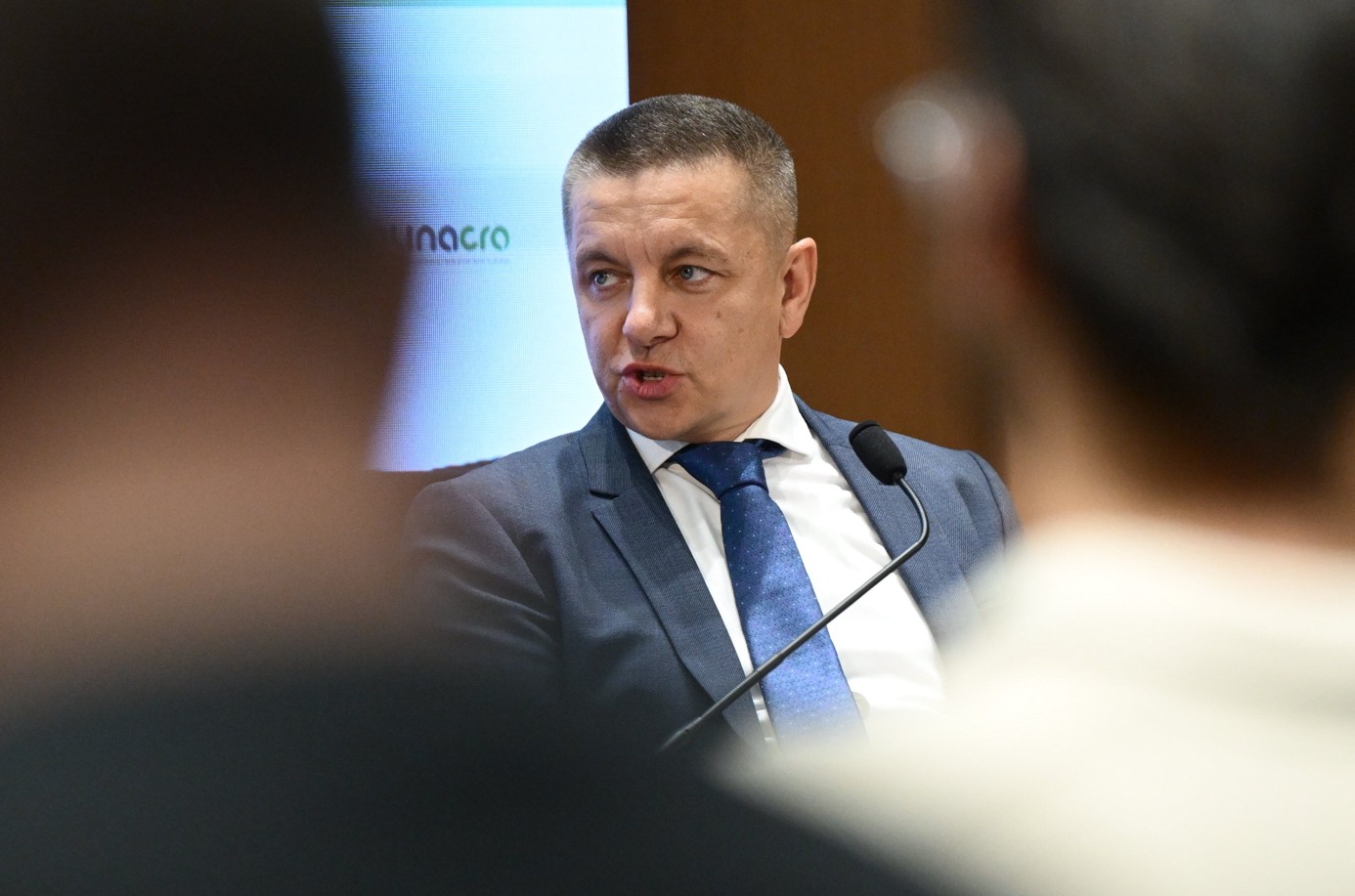
Čerkez stressed that making energy more accessible and affordable depends on creating favourable conditions for private investment and significantly upgrading the electricity grid so that it can accommodate additional capacity.
“One measure that could be introduced quickly is to install battery storage systems alongside every solar power plant. This is exactly what we are doing as an investor. However, we are not allowed to use batteries installed alongside solar plants in both directions – in other words, to draw electricity from the grid as well as feed it back. This would create significant additional value and provide a strong incentive for investment in battery storage. Other countries have taken a different approach. Our projects in Romania, for example, include batteries that can operate in both directions. It is like having a car but being told you are not allowed to reverse,” Čerkez said.
Opening the conference, Minister of Economy Ante Šušnjar said Europe needed to recognise that “the rest of the world is not going to wait while we come up with yet another strategy, introduce another regulation or impose another restriction. While we debate, others are building. While we regulate, others are producing,” he said.
In his address, Šušnjar also highlighted Croatia’s considerable potential for generating electricity from geothermal sources and said that a model to support the development of such projects was being prepared.
Photo: Boris Kovacev/Cropix